Radiation-Induced Wounds
Radiation-induced wounds are a complex and often overlooked complication of cancer treatment. While radiation therapy is highly effective in targeting cancer cells, it can also damage surrounding healthy tissue, leading to wounds that may develop during treatment or after treatment. These wounds can be slow to heal, painful, and prone to infection without specialized care.
Early recognition and expert management are key to preventing complications and supporting long-term healing.
Your Healing Starts Here.
Learn how we can help with your non-heling wounds. Call to schedule an appointment.
What are radiation wounds?
Causes:
Signs & Symptoms:
Radiation-induced wounds can present in different ways depending on severity and timing. Common signs include:
- Skin redness or discoloration – that persists or worsens
- Dry, peeling, or fragile skin – in the treated area
- Open sores or ulcerations – that do not heal
- Pain or tenderness – which may increase over time
- Swelling or inflammation
- Drainage or signs of infection – such as odor or warmth
- Tissue breakdown – months or years after radiation therapy
If any of these symptoms develop, especially after completing radiation treatment, it’s important to seek evaluation from a wound care specialist.
Radiation Wound Care Q &A
What treatment options are available for radiation-induced wounds?
Treatment depends on the severity and condition of the wound, but may include advanced wound dressings, gentle debridement to remove damaged tissue, infection control, and therapies that help improve blood flow and oxygen to the area. In some cases, more advanced therapies may be used to support healing in compromised tissue.
Why are radiation-induced wounds difficult to heal?
Radiation damages small blood vessels and reduces oxygen flow to the tissue, which slows the body’s natural healing process and increases the risk of chronic wounds.
When can radiation wounds appear?
They can develop during treatment, shortly after, or even years later. Delayed onset is common due to long-term tissue damage.
How are radiation-induced wounds treated?
Treatment often includes advanced wound dressings, infection control, debridement, and therapies designed to improve oxygen and blood flow to the affected tissue.
Can these wounds become serious if untreated?
Yes. Without proper care, radiation wounds can worsen, become infected, and lead to more extensive tissue damage or hospitalization.
When should I seek specialized wound care?
If a wound is not improving, becomes painful, or shows signs of infection, early intervention from a specialized wound care provider can significantly improve outcomes.
Is there a standard treatment plan for radiation wounds?
No, there is no one-size-fits-all approach. Every radiation wound is different, and treatment is personalized based on the patient, the location of the wound, and how the tissue responds over time.
Jovive Approach
Our experienced care team works with patients to promoting optimal healing, reducing scarring, and ensuring long-lasting results. Through cutting-edge techniques, we strive to enhance closure rates and improve comfort throughout the healing process. As a practice entirely owned and led by physicians, our facilities in Loma Linda, CA, Mission Viejo, CA, and Walnut Creek, CA are dedicated to your overall wellness. Entrust your care to Jovive Wound Care for personalized and specialized treatment tailored to your individual needs.
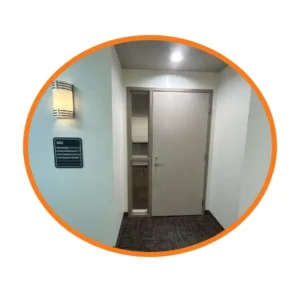
Visit Jovive Wound Care
Address:
26732 Crown Valley Pky, suite 585
Mission Viejo, CA 92691
Phone:
949-850-9964
Mon-Fri: 8 a.m. – 5 p.m.
Most insurance accepted.
I’ve seen first-hand how proper wound treatment makes a tremendous impact on patients’ quality of life. I’m excited to take these successful hospital-based treatments and provide patients with easier access in this new outpatient clinic setting.
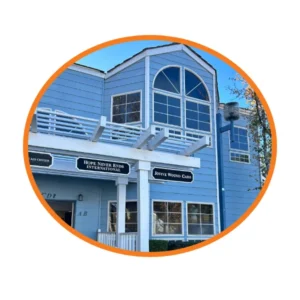
Visit Jovive Health
Address:
11340 Mountain View Ave. Suite B
Loma Linda, CA 92354
Get Directions
Phone:
909-435-4852
Mon-Fri: 8 a.m. – 5 p.m.
Most insurance accepted.
Wound care requires a multifactorial approach to achieve success. In the outpatient setting, we focus on initiating innovative treatment and working closely with the rest of your healthcare team to help heal your wounds. Together we want to empower patients on their road to recovery.
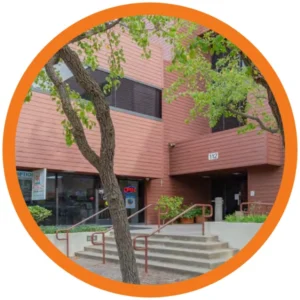
Now Open Jovive Wound Care
Address:
112 La Casa Via Suite 135
Walnut Creek, CA 94598
Get Directions
Phone:
925-471-4291
Fax:
925-488-2413
Mon-Fri: 8:30 a.m. – 5 p.m.
Most insurance accepted.
Successful wound care is about listening first. Every patient has a story, and our job is to align treatment with their goals, collaborating as a team to support healing from every angle.